What Happens to Waste After a Dumpster Pickup? Understanding the Waste Disposal Process
When a dumpster is hauled away at the end of a cleanup project, most homeowners and business owners are simply relieved to see the debris gone. However, many people wonder what actually happens to the waste after the dumpster leaves their property.
The journey of waste does not end at pickup. Materials collected through dumpster rentals typically go through a series of steps that may include transportation, sorting, recycling, recovery, and final disposal. Understanding this process can help property owners make informed decisions about waste management and appreciate the role dumpster rental services play in keeping communities clean and organized.
Whether you are completing a home cleanout, renovation, construction project, or commercial cleanup, knowing what happens after pickup provides valuable insight into modern, sustainable waste disposal solutions.
Why Understanding the Waste Disposal Process Matters
Waste management involves much more than simply collecting and removing debris. Proper disposal helps:
Keep communities clean and safe
Support environmental responsibility
Reduce illegal dumping
Improve recycling opportunities
Manage construction and household waste efficiently
Support safer, regulatory-compliant cleanup practices
When homeowners and businesses use a local dumpster company, they become part of a larger waste management system designed to handle materials responsibly. In fact, choosing a reliable provider is a key part of how dumpster rentals support sustainable waste management in Ohio.
Step 1: Dumpster Pickup and Transportation
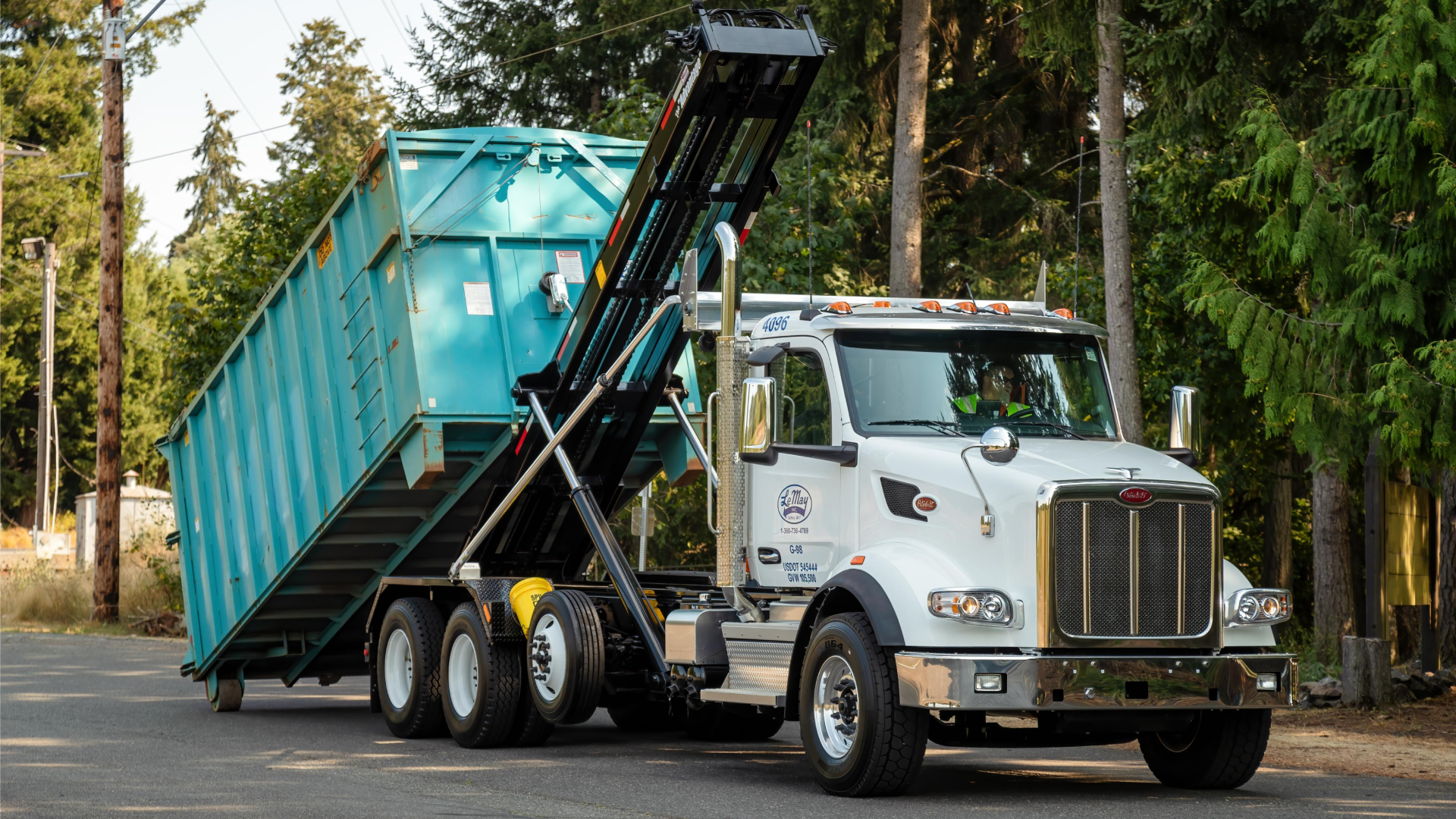
Once a customer finishes loading a roll-off dumpster, pickup is scheduled. During pickup, a specialized truck retrieves the container and transports it to the appropriate waste processing or disposal facility.
According to the Gladu Disposal dumpster rental process, customers can arrange pickup after completing their cleanup project, allowing debris to be removed efficiently from the property.
Common materials transported after pickup may include:
Household debris
Construction debris
Roofing materials
Renovation waste
Yard debris
General cleanout materials
The goal at this stage is safe, secure transportation from the project site to a facility equipped to manage the specific type of waste.
Step 2: Waste Evaluation and Sorting
After arriving at a processing facility, waste is evaluated and sorted. Sorting is critical because it identifies materials that can potentially be recycled, reused, or handled separately from general landfill waste. It prevents valuable resources from being permanently buried.
Depending on the type of debris, sorting systems may separate:
Metal materials
Cardboard and paper products
Wood products and lumber
Concrete, bricks, and masonry
Green waste and organic matter
General mixed, non-recyclable debris
Sorting significantly improves efficiency within the waste management process and supports environmental diversion efforts. To understand what happens if items are packed incorrectly during this phase, you can read about how to avoid overweight dumpster fees with pro tips for smart loading.
What Is a Transfer Station?
A transfer station is a facility where collected waste is temporarily received and consolidated before being transported to its next destination. Transfer stations help:
Consolidate waste loads from smaller trucks into larger transport vehicles
Improve transportation efficiency across regional lines
Reduce overall hauling costs and fuel emissions
Organize distinct waste streams
In many municipal waste management systems, transfer stations play an important role in moving materials from collection vehicles to larger regional processing infrastructure.
Step 3: Recycling and Material Recovery
One of the most important parts of modern waste management is identifying materials suitable for recycling.
Common Recyclable Materials
Depending on the debris type, recyclable materials pulled from dumpsters may include:
Metals: Scrap iron, steel, aluminum, and copper are highly recyclable and infinitely reusable.
Cardboard & Paper: High volumes of packaging materials are bundled and sent to paper mills.
Certain Plastics: Rigid plastics can often be melted down and re-manufactured.
Clean Wood Materials: Pallets and untreated lumber are often chipped into mulch or biomass fuel.
Concrete & Masonry: These heavy materials are crushed to create aggregate base layers for road construction. For specific loading requirements for these items, check out the guide on renting a dumpster for concrete, asphalt, and heavy debris.
Recovering these items helps reduce the sheer volume of waste requiring final disposal in local landfills.
Construction and Demolition Debris Recovery
Construction debris removal projects often contain materials that can be easily separated for recycling or reuse. Examples include scrap metal, concrete, asphalt materials, and structural wood products. Proper separation of materials during processing improves recovery opportunities. If you are managing a remodel, learning how to safely dispose of construction debris can optimize this recovery cycle.
Step 4: Final Disposal of Non-Recyclable Waste
Not all waste can be recycled or repurposed. Materials that cannot be recovered through sorting or processing lines must ultimately be transported to an approved disposal facility for final management.
Examples may include:
Mixed household trash and food-contaminated items
Composite materials and contaminated textiles
Certain insulation materials and painted/treated construction waste
Non-recyclable household items
Final disposal in a certified landfill or waste-to-energy plant is an important part of maintaining safe, sanitary, and organized waste management systems for public health.
Why Proper Waste Separation Matters Before Pickup
Customers can help improve waste handling efficiency by following disposal guidelines before filling a dumpster. Separating prohibited materials and understanding accepted debris types helps ensure smoother, safer processing after pickup.
According to information provided by Gladu Disposal, accepted materials may include:
Construction debris
Roofing materials
Brush and tree limbs
General cleanout debris
The company also notes that certain items may require additional handling, while hazardous materials and other restricted items are strictly prohibited. To protect the environment and avoid penalties, it is crucial to review what you should never put in a dumpster to avoid extra fees.
Examples of prohibited materials include:
Hazardous waste and toxic chemicals
Asbestos and lead-based materials
Wet paint cans and industrial solvents
Liquids, oils, and automotive fluids
Propane tanks and pressurized cylinders
Following these disposal guidelines protects downstream workers, prevents machinery damage at sorting plants, and safeguards the ecosystem.
The Role of Dumpster Rentals in Responsible Waste Management
Dumpster rentals provide more than simple debris collection. They act as the vital first step in a highly organized logistics chain.
Keep Properties Organized: Having a designated waste container reduces clutter, prevents safety hazards on job sites, and keeps cleanup projects manageable.
Improve Cleanup Efficiency: A centralized disposal location helps homeowners and contractors remove waste as projects progress, rather than letting it accumulate.
Support Proper Disposal Practices: Using a roll-off dumpster helps ensure waste enters established, legal waste management channels rather than being improperly discarded or fly-tipped.
Assist Large-Scale Cleanup Projects: These projects often generate more waste than traditional curbside collection can accommodate.
Common Types of Waste Generated During Dumpster Rental Projects
Different projects produce distinctly different waste streams, each requiring a unique handling strategy at the sorting facility.
Home Cleanouts
Typical materials include furniture, household items, boxes, general clutter, and non-hazardous debris. If you are cleaning out a cluttered space, using the right asset makes a massive difference—see how to tackle it in the ultimate guide to residential dumpster rentals in Ohio.
Renovation Projects
Common waste materials include drywall, flooring, old cabinets, plumbing fixtures, and wood debris. If you are planning a home remodel, discover why every home remodel needs a dumpster, not just a trash bin.
Roofing Projects
Roof replacements often generate shingles, underlayment, flashing materials, and general roofing debris. Managing this heavy weight requires structural planning; contractors frequently refer to a step-by-step guide for renting a dumpster for roof replacement to keep jobs profitable and clean.
Commercial Cleanouts
Businesses may dispose of office furnishings, metal shelving, heavy packaging materials, and general renovation debris. Local companies often rely on specialized options, which is why small businesses choose roll-off dumpster rentals to keep operations streamlined.
Understanding these waste types can help customers select the right size and plan their cleanups effectively.
Why Homeowners and Businesses Choose Gladu Disposal
When searching for waste disposal solutions, customers value convenience, reliability, and dependable community roots. Based on information available on the company website, Gladu Disposal offers a comprehensive suite of services:
Multiple Roll-Off Dumpster Options
Several dumpster sizes are available to support both minor residential decluttering and massive commercial construction jobs. You can find detailed size breakdowns on the Gladu Dumpsters page.
Local, Family-Owned Service
Gladu Disposal has operated as a local, family-owned business since 1940. They emphasize serving customers with practical, community-first waste management solutions. Discover their history on the About Gladu Disposal page.
Flexible Cleanup Support
Dumpster rentals are designed to flexibly accommodate a wide range of timelines and project types. For answers to common logistics questions, visit the comprehensive Dumpster Rental FAQs portal.
Additional Self-Storage Solutions
Customers managing complex moves, seasonal transitions, or home renovations often find that waste removal is only half the battle. To complement cleanup efforts, explore their dedicated Self-Storage options.
Frequently Asked Questions
What happens after a dumpster is picked up? After pickup, the dumpster is transported to a processing facility or transfer station where materials are sorted, processed, recycled when possible, and ultimately disposed of through approved regional waste management channels.
Is all dumpster waste sent directly to a landfill? Not necessarily. Depending on the materials involved, modern facilities sort and extract recyclable metals, cardboard, wood, and concrete before final disposal occurs.
Can construction debris be recycled? Yes. Certain construction materials such as clean metal, concrete, asphalt, and untreated wood are highly suitable for recycling or recovery depending on the capabilities of the local processing facility.
Why are hazardous materials prohibited in dumpsters? Hazardous materials require specialized handling, containment, and disposal procedures under federal and state law. Putting them in a standard dumpster creates environmental hazards and risks injury to waste workers.
How can customers help improve waste processing? Following disposal guidelines, avoiding banned materials, and keeping distinct waste streams (like clean concrete or pure yard waste) separated can help maximize recycling efficiency.
Do dumpster rentals support responsible waste management? Yes. Dumpster rentals ensure that large volumes of debris are collected, transported, and tracked through legally established, heavily regulated environmental management systems.
Conclusion
The waste disposal process continues long after a dumpster leaves your driveway or job site. After pickup, materials are safely transported, evaluated, sorted, and processed before ever reaching their final destination. Some materials are recycled into brand-new consumer products or infrastructure base layers, while others are managed safely through approved disposal methods.
Understanding what happens after a dumpster pickup helps homeowners and businesses appreciate the important role waste management plays in maintaining clean properties, supporting organized cleanup projects, and promoting responsible disposal practices. Whether you are managing a minor home cleanout or a major commercial build, a roll-off dumpster provides a convenient, responsible first step in the larger lifecycle of waste.
Call to Action (CTA)
Planning a cleanup project, renovation, or construction job? Visit the Contact Us page at Gladu Disposal to learn more about available dumpster rental options and waste management solutions that can help keep your project organized from start to finish. Explore more expert advice and updates on their dedicated Blogs page.