
Residential vs Commercial Dumpster Rentals: Key Differences Every Customer Should Know
Whether you're cleaning out a garage, renovating a home, managing a construction site, or overseeing a business renovation, choosing the right dumpster rental can make a major difference in how efficiently your project runs.
One of the most common questions people ask is whether they need a residential dumpster rental or a commercial dumpster rental. While both use similar roll-off dumpsters, the projects, waste volumes, timelines, and planning requirements can be quite different.
Understanding these differences can help homeowners, contractors, property managers, and business owners select the right waste disposal solutions for their needs.
What Is a Residential Dumpster Rental?
A residential dumpster rental is typically used for home-based projects that generate more waste than standard curbside collection can handle.
Common residential projects include:
Home and estate cleanouts
Garage, basement, and attic cleanouts
Moving preparation
Roofing and remodeling projects
Seasonal cleanup projects
Residential dumpster rentals provide homeowners with a convenient location to dispose of debris while keeping the property organized throughout the project. If you are preparing for a major domestic transition, realizing why a dumpster makes it easier can save you hours of unnecessary heavy lifting.
What Is a Commercial Dumpster Rental?
A commercial dumpster rental is generally used for larger-scale business, construction, or property management projects.
Common commercial uses include:
Office renovations and retail store remodels
Construction and demolition work
Property management cleanouts and tenant turnover projects
Business relocation projects
Commercial projects often generate larger amounts of debris and may require larger dumpster capacities or longer project timelines. For ongoing operations, many businesses benefit from regular dumpster rentals to establish an organized, long-term waste management routine.
The Biggest Differences Between Residential and Commercial Dumpster Rentals
1. Type of Project
The most noticeable difference is the type of work being performed.
Residential Projects: These are usually associated with homeowners improving, repairing, or cleaning their property. Projects may involve replacing flooring, remodeling a kitchen, or removing old furniture. Homeowners frequently discover that every home remodel needs a dumpster rather than standard trash bins to handle the fast accumulation of bulky scrap.
Commercial Projects: Commonly used by contractors, property managers, business owners, developers, and construction crews. Projects often involve larger buildings, higher waste volumes, and multiple workers generating debris simultaneously.
2. Waste Volume
Commercial projects typically produce significantly more waste than residential projects.
Residential Waste: Common debris includes household junk, furniture, drywall, roofing materials, and yard debris.
Commercial Waste: May generate heavy construction debris, demolition materials, packaging waste, office furniture, and retail shelving systems.
Because commercial jobsites create larger waste streams, picking the proper containment is critical. If you are unsure how to evaluate your accumulation, consulting a simple guide to what size dumpster you need will keep your workspace safe and efficient.
3. Dumpster Size Requirements
Both residential and commercial customers can benefit from multiple dumpster size options. Available roll-off dumpster sizes include:
10-Yard Dumpster: Best suited for small home cleanouts, light renovations, or yard cleanup. Capacity: 1.5 tons.
15-Yard Dumpster: Commonly used for basement cleanouts, kitchen remodels, or tenant move-outs. Capacity: 2 tons.
20-Yard Dumpster: Popular for full home cleanouts, contractor projects, and commercial site cleanups. Capacity: 3 tons.
25-Yard Dumpster: Ideal for major renovations, demolition projects, office cleanouts, and large construction jobs. Capacity: 4 tons.
For many residential projects, a 10-yard or 15-yard dumpster may be sufficient. Commercial projects often require 20-yard or 25-yard containers due to larger waste volumes. To avoid surprises on your final invoice, make sure you learn how to avoid overweight dumpster fees through proper weight distribution.
4. Project Duration
Residential projects are often shorter in duration, matching weekend garage cleanouts or quick seasonal efforts. Commercial projects frequently last longer because they involve multiple phases, structural inspections, or ongoing construction activity.
Regardless of the timeline, choosing a flexible partner matters. You can load at your own pace and plan your rental duration seamlessly based on whether you need the container for a single weekend or several weeks.
5. Site Access and Placement Considerations
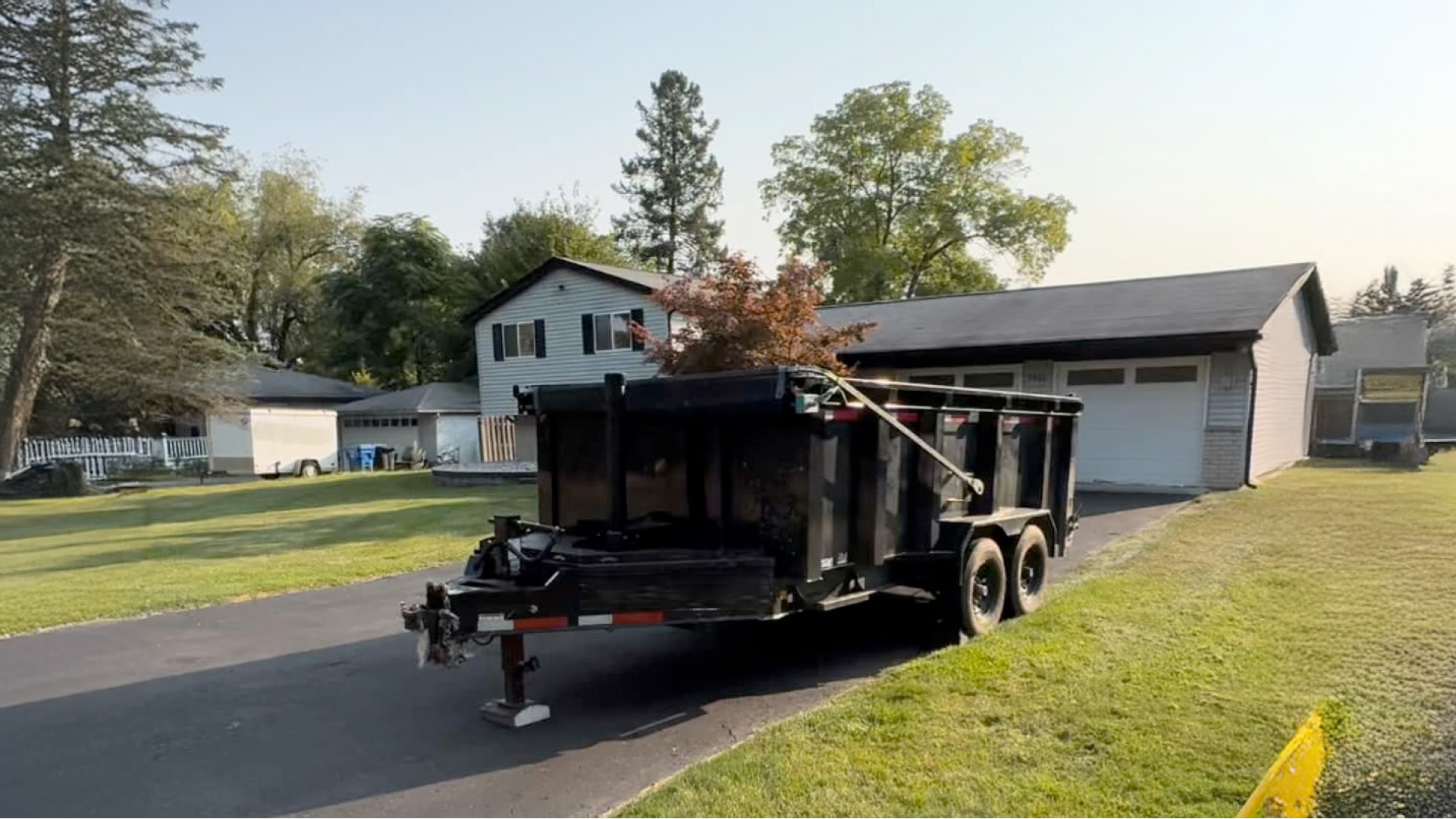
Residential Placement: Residential dumpsters are commonly placed in driveways, on private property, or adjacent to garages. Many homeowners appreciate roll-off dumpsters with rear-hinged doors because they make loading bulky items easier.
Commercial Placement: Commercial projects may require placement at active construction sites, behind commercial buildings, or within designated work zones. Larger job sites often require careful planning to ensure safe access for delivery and pickup vehicles.
6. Types of Debris
While some materials overlap, residential and commercial projects often generate different types of waste. Residential projects see high amounts of yard waste, cabinets, and old household items, whereas commercial jobs bring heavy metal components and industrial packaging. Knowing how to safely dispose of construction debris keeps your site compliant with local disposal regulations.
What Materials Can Go Into a Dumpster?
Commonly accepted materials include:
Construction and demolition materials
Residential debris and general cleanout items
Roofing shingles
Brush and tree limbs
Certain items may be accepted for an additional fee, including mattresses, tires, refrigerators, air conditioners, TVs, and computer monitors. However, you must carefully check guidelines to avoid putting prohibited items—such as hazardous materials, asbestos, paint cans, liquids, and propane tanks—into the container. Reviewing a guide on items that lead to extra fees will ensure you load your container safely and affordably.
Why Homeowners and Businesses Choose Gladu Disposal
Family-Owned Since 1940
Gladu Disposal has served Rhode Island and Southern Massachusetts as a family-owned business for decades, focusing on straightforward service and dependable waste solutions. When comparing service options, it becomes obvious why local dumpster companies beat national chains in transparency, community care, and reliability.
Multiple Dumpster Sizes
Customers can choose from four distinct roll-off dumpster rental sizes designed to support everything from small residential projects to large commercial assignments.
On-Time Delivery and Pickup
The company emphasizes prompt delivery and reliable pickup to help keep projects on schedule. If unforeseen timelines or strict project guidelines catch you off guard, utilizing a same-day dumpster rental can immediately get your site back on track.
Additional Storage Solutions
For customers managing complex moves, commercial transitions, or extensive renovations, utilizing self-storage options can complement cleanup projects perfectly, giving you a secure space for the belongings you want to save.
Frequently Asked Questions
What is the main difference between residential and commercial dumpster rentals?
Residential dumpsters are typically used for home projects, while commercial dumpsters support business, construction, renovation, and property management projects.
Can homeowners rent the same dumpsters contractors use?
Yes. Homeowners have access to the exact same high-quality roll-off container selections. If you are comparing professional approaches, reviewing the top reasons contractors choose Gladu Disposal can show you how to streamline your cleanup like an expert.
Which dumpster size is best for a home cleanout?
Many home cleanouts fit well in a 10-yard, 15-yard, or 20-yard dumpster, depending on the amount of debris involved.
Are commercial projects more likely to need larger dumpsters?
In many cases, yes. Commercial renovations, construction projects, and demolition jobs often generate larger amounts of debris and benefit significantly from 20-yard or 25-yard containers.
Can both residential and commercial customers schedule pickup when finished?
Yes. All customers are free to load at their own pace and schedule a prompt pickup whenever their project concludes.
Conclusion
Residential and commercial dumpster rentals serve the same essential purpose—providing a convenient, organized solution for waste removal—but the scale, waste volumes, sizing, and scheduling needs vary significantly.
Before booking your next container, reading through 5 common dumpster rental mistakes can save you from common logistical headaches. Whether you're tackling a garage cleanout or coordinating a commercial renovation, choosing the right dumpster keeps your workflow completely organized, efficient, and on schedule.
CTA
Planning a home cleanout, renovation, construction project, or commercial property cleanup? Contact the team at Gladu Disposal to learn more about available dumpster sizes, waste management solutions, and rental options that fit your project needs perfectly. Visit our About Page to learn more about our history, read our latest updates on our Blogs Page, or reach out directly through our Contact Page today!