

Which Dumpster Size Works Best for Kitchen Remodels? A Practical Guide for Homeowners and Contractors
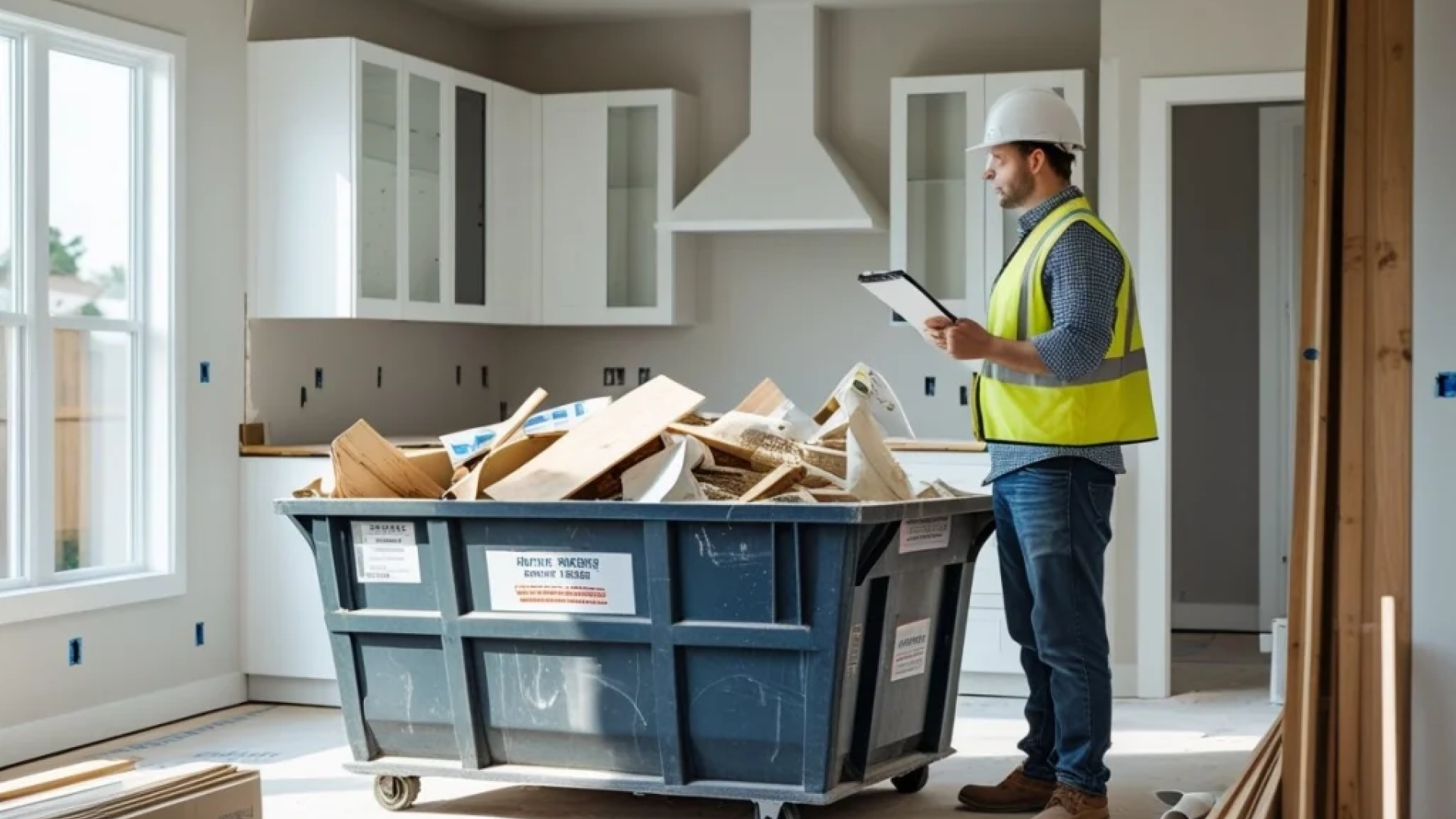
Kitchen remodels are exciting projects, but they can also create a surprising amount of debris. Old cabinets, countertops, flooring, drywall, packaging materials, and other renovation waste can quickly pile up and make a worksite difficult to manage.
That's why many homeowners and contractors choose a dumpster rental before demolition begins. Knowing how dumpster rentals help with home renovations is key to keeping the project organized, improving safety, and simplifying cleanup throughout the entire process.
If you're planning a kitchen renovation and wondering which roll-off dumpster size is right for the job, understanding the available options can help you avoid overfilling a container or paying for more capacity than you need. Gladu Disposal offers multiple dumpster sizes designed to accommodate everything from small renovation projects to major remodeling jobs.
Why Kitchen Remodels Generate So Much Waste
A kitchen renovation often involves removing a variety of bulky, heavy materials, including:
Cabinets and islands
Countertops (granite, laminate, or tile)
Subflooring and flooring (hardwood, tile, or vinyl)
Drywall and plaster
Backsplashes and wall tiles
Sinks, faucets, and old appliances
General construction debris
Even a moderate remodel can produce more waste than most homeowners expect, making it critical to understand why every home remodel needs a dumpster, not just a trash bin. Instead of making multiple exhausting trips to a local landfill, a temporary dumpster rental provides one convenient, centralized location for debris collection throughout the project.
What Is a Roll-Off Dumpster?
A roll-off dumpster is a large, open-top waste container delivered directly to your property and removed when the project is complete.
Gladu Disposal's roll-off options feature rear-hinged doors that allow users to walk in bulky materials rather than lifting everything over the high sides. Learning how to load a dumpster efficiently and safely using these walk-in doors makes loading heavy renovation debris significantly easier during demanding remodeling projects.
Understanding Gladu Disposal Dumpster Sizes
Choosing the right dumpster starts with a basic breakdown of the sizes available on the Gladu Dumpsters page. Reviewing a comprehensive resource like what size dumpster do you really need can provide an excellent baseline before your project begins.
10-Yard Dumpster
Capacity: 1.5 tons
Dimensions: 12' L × 8' W × 3.5' H
Best For: Small home cleanouts, light renovations, tight spaces, and small-to-medium kitchen demolition projects.
15-Yard Dumpster
Capacity: 2 tons
Dimensions: 14' L × 8' W × 4.5' H
Best For: Medium-to-large kitchen remodels, basement cleanouts, tenant move-outs, and restoration projects.
20-Yard Dumpster
Capacity: 3 tons
Dimensions: 14' L × 8' W × 5.5' H
Best For: Large-scale renovations, full home cleanouts, contractor projects, and commercial site cleanups.
25-Yard Dumpster
Capacity: 4 tons
Dimensions: 15.5' L × 8' W × 6.5' H
Best For: Major structural renovations, total demolition projects, large construction debris loads, and full-property cleanouts.
Which Dumpster Size Works Best for Most Kitchen Remodels?
Short Answer
For many kitchen remodeling projects, a 15-yard dumpster is often the best fit because it is specifically recommended for medium-to-large kitchen remodels. However, the ideal size ultimately depends on the true scope of your project.
Small Kitchen Updates
A 10-yard dumpster may be sufficient if your project includes:
Cabinet replacement only
Countertop removal
Minor demolition or localized drywall patches
Limited flooring removal
Because this size is ideal for diy home projects, it works perfectly for smaller, straightforward aesthetic upgrades.
Medium-to-Large Kitchen Remodels
A 15-yard dumpster is often the most practical choice when the renovation includes:
Complete cabinet removal and island demolition
Full flooring replacement
Countertop and heavy tile backsplash removal
Larger amounts of construction debris and framing materials
Extensive Renovations and Structural Changes
A 20-yard dumpster may be a better option when projects involve:
Significant structural demolition (such as knocking down walls)
Large quantities of heavy plaster, drywall, or framing timber
Contractor-led renovations with aggressive timelines
Multiple rooms being renovated at the exact same time
Its additional capacity can help reduce the risk of running out of space before the project is complete.
Major Construction and Demolition Projects
For large-scale structural additions or demolition-heavy jobs, a 25-yard dumpster offers the necessary capacity for bulky materials and high debris volumes without risking overfills.
How to Choose the Right Dumpster for Your Remodel
Consider the Scope of Demolition
The more materials being removed, the more capacity you'll likely need. Ask yourself: Are cabinets being removed? Is flooring being replaced? Will drywall be demolished? Are multiple rooms involved? These factors can significantly increase debris volume. You must also learn how to safely dispose of construction debris during a remodel to ensure hazardous materials stay out of the bin.
Think About Available Space
Dumpster placement matters. Smaller containers may be easier to place in tighter driveways or urban spaces, while larger contractor projects may justify a larger container footprint.
Avoid Choosing Too Small
One of the most common mistakes is selecting a container that lacks sufficient capacity. Reading up on the 5 common dumpster rental mistakes and how to avoid them highlights that choosing the wrong size can lead to additional pickups or unnecessary expenses. When uncertain, it is always safer to scale up one size or discuss your project directly with a professional.
Why Local Businesses and Contractors Use Dumpster Rentals During Renovations
Kitchen remodeling isn't limited to residential properties. Restaurants, offices, retail spaces, and commercial facilities often require waste management solutions during renovation projects as well.
A commercial dumpster rental can help keep work areas organized, improve jobsite safety, and simplify debris handling. Check out the top 5 reasons contractors choose gladu disposal to see how a dedicated local waste provider supports efficient project timelines and reduces clutter, letting crews focus on completing construction work rather than managing hauling logistics.
Why Local Businesses Choose Gladu Disposal
Gladu Disposal has been serving customers since 1940 and remains a family-owned business based in Woonsocket. The company provides reliable dumpster rental and self-storage solutions throughout Rhode Island and Southern Massachusetts. Learn more on the About Gladu Disposal page.
Customers consistently choose Gladu Disposal because of:
Multiple versatile dumpster size options
Attentive, family-owned local service
Straightforward pricing with no hidden surprises
Prompt delivery and flexible pickup timing
Convenient dumpster loading with rear-hinged doors
For complex renovation projects that require both debris removal and temporary storage for new appliances or cabinetry, pairing your rental with spring cleaning and storage units from one local provider can drastically simplify your logistical planning.
Frequently Asked Questions
What size dumpster is best for a kitchen remodel?
For many projects, a 15-yard dumpster is an excellent choice because it is specifically suited for medium-to-large kitchen remodels. Smaller projects may fit in a 10-yard dumpster, while larger structural renovations may require a 20-yard container.
Can I use a 10-yard dumpster for a kitchen renovation?
Yes. A 10-yard dumpster is ideal for medium kitchen demolition, light updates, cabinet swap-outs, and smaller remodeling projects where space on the property is tight.
How long can I keep a dumpster rental?
Gladu Disposal offers flexible rental options. You can read our guide on how long should you keep a roll-off dumpster to plan your timeline accurately and schedule a pickup as soon as the work is complete.
What types of renovation debris can go into a dumpster?
Common construction and demolition materials, residential debris, and wood or drywall waste are fully accepted. However, it is vital to review what you should never put in a dumpster to avoid items that lead to extra environmental or handling fees.
What happens if I choose the wrong dumpster size?
Selecting a dumpster that's too small can lead to overfilled containers, project delays, or the need for a second container swap-out. Reviewing how to avoid overweight dumpster fees is highly recommended before you start tossing heavy tile or flooring material.
Conclusion
A successful kitchen remodel depends on more than just choosing beautiful new cabinets and countertops. Proper waste management helps keep the project organized, safe, and efficient from the initial demolition to the final trim work.
For smaller, cosmetic updates, a 10-yard dumpster may provide sufficient capacity. For most average homeowners and remodeling contractors, the 15-yard dumpster offers the ultimate balance of physical volume and a manageable residential footprint. If you want to explore more expert home improvement and waste management advice, feel free to browse through the Gladu Disposal blogs.
Get Started Today
Planning a kitchen remodel or commercial renovation project? Reach out through the Contact Us page to discuss your cleanup needs and explore available dumpster rental options. The team at Gladu Disposal can help you determine the right container size for your exact project scope and provide guidance for efficient waste management from start to finish.