

Renting a Dumpster for Concrete, Asphalt & Heavy Debris: What You Need to Know
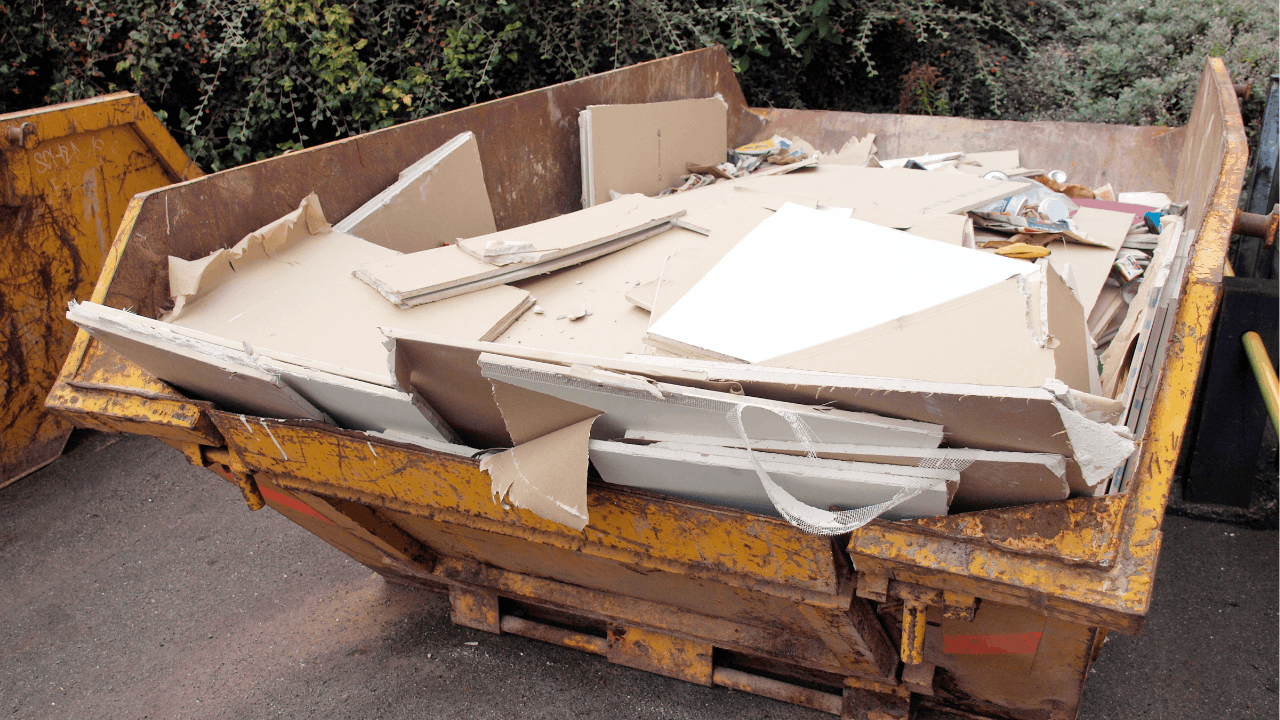
Managing heavy debris, like concrete, asphalt, or construction materials, can be one of the most challenging parts of home renovations, commercial projects, or outdoor landscaping in Rhode Island and Southern Massachusetts. Renting a dumpster from Gladu Disposal simplifies the process, keeps your site safe, and ensures proper disposal. Here’s what you need to know before tackling heavy debris projects.
Choosing the Right Dumpster for Heavy Debris
Match Size to Your Project
Gladu Disposal Dumpsters come in multiple sizes to suit a wide range of project needs. For concrete, asphalt, or large construction debris, larger dumpsters like 20- or 25-yard units are often the best choice. Picking the right size ensures you have enough space for heavy materials without overloading the container. For guidance, check out our blog on what size dumpster you really need.
Consider Weight Limits
Heavy debris can add significant weight even if the dumpster isn’t full. The team at Gladu Disposal can advise you on the right dumpster for your project, helping you avoid overweight fees and ensuring safe transport of materials. Learn more about smart loading in our post on how to avoid overweight dumpster fees.
Tips for Loading Heavy Materials Safely
Place Heavy Items First
Start by placing the heaviest materials, like concrete slabs or asphalt chunks, at the bottom of the dumpster. This stabilizes the load and reduces the risk of shifting during transport. For a detailed guide, see how to load a dumpster efficiently and safely.
Break Down Large Pieces
Breaking concrete or asphalt into smaller pieces makes it easier to distribute weight evenly. It also maximizes dumpster capacity, saving you money and reducing the risk of overfilling.
Use Rear-Hinged Doors
Gladu dumpsters feature rear-hinged doors for easier walk-in access. This design allows you to load heavy debris more safely, reducing strain on workers and preventing container damage.
Responsible Disposal Practices
Heavy debris requires proper handling to comply with local regulations and environmental standards. Gladu Disposal screens every load to ensure materials are disposed of responsibly. Concrete and asphalt are often recycled or repurposed, supporting eco-friendly construction practices. You can also explore other helpful tips on sustainable disposal in our blog on how dumpster rentals support sustainable waste management.
When to Consider Multiple Dumpsters
For large renovations or paving projects, a single dumpster may not be enough. Planning for multiple containers in advance helps manage volume and weight effectively. Gladu Disposal offers flexible delivery and pickup options, making it easy to scale your dumpster rental based on project needs. Check out construction season dumpster tips for more guidance.
Additional Support: Self Storage Options
Sometimes heavy debris projects also involve temporary storage for tools, materials, or other items. Gladu Self Storage units provide secure, drive-up access for keeping items safe while your project is underway. Combining dumpster rental and storage streamlines project organization and keeps your worksite efficient. For related projects, see our posts on home renovations and dumpster use and simplifying home decluttering.
Bottom Line
Renting a dumpster for heavy debris doesn’t have to be complicated. With the right size, proper loading techniques, and guidance from a trusted local provider like Gladu Disposal, you can manage concrete, asphalt, and other dense materials safely and efficiently. From residential renovations to large commercial projects, Gladu Disposal makes heavy debris removal simple, reliable, and environmentally responsible.
Contact Gladu Disposal today to schedule your dumpster rental and make your next heavy debris project smoother and stress-free.