
Renting a Dumpster for Landscaping Projects: Cost, Size & Tips
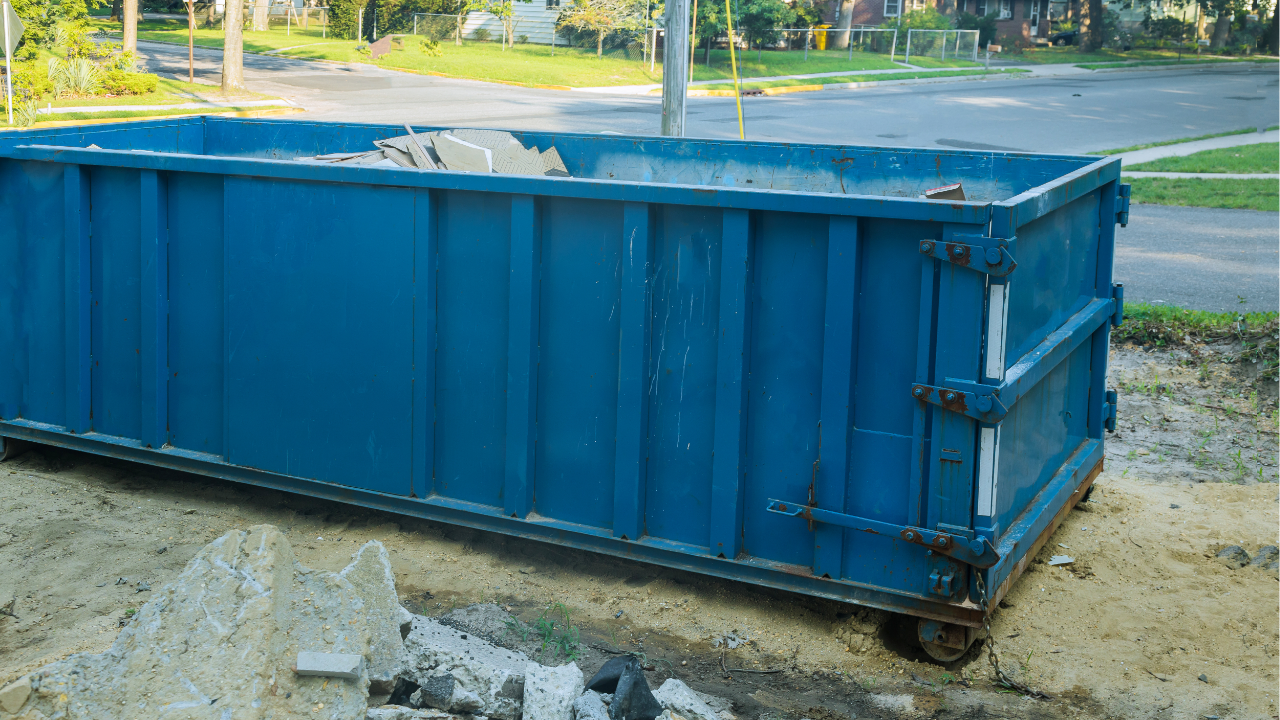
Landscaping projects can transform your outdoor space—but they also generate more debris than most people expect. From tree branches and sod to soil and old materials, waste piles up quickly. That’s why using a dumpster rental is one of the easiest ways to keep your project clean, efficient, and on schedule.
If you’re planning a landscaping job, here’s what you need to know about cost, dumpster sizes, and smart rental tips.
Understanding Landscaping Debris
Before choosing a dumpster, it’s important to know what kind of waste your project will create.
Typical landscaping debris includes:
Tree branches and limbs
Leaves, grass, and shrubs
Dirt, soil, and sod
Mulch and organic materials
These materials can be bulky and uneven, meaning they take up more space than expected—even if they’re lightweight. As explained in this guide on best dumpster sizes for yard waste and landscaping projects, volume can be surprisingly deceptive with organic debris.
For a deeper look at whether renting is worth it for yard cleanup, check out this helpful read on yard waste dumpster rentals.
Dumpster Sizes for Landscaping Projects
Choosing the right size is one of the most important decisions. Too small, and you’ll need multiple hauls. Too large, and you may overpay.
Common Dumpster Sizes
10-Yard Dumpster
Ideal for small yard cleanups (500–1,000 sq ft)
Works well for light debris like leaves and small branches
Learn more using this landscaping dumpster size calculator
20-Yard Dumpster (Most Popular)
Best for medium projects like hedge removal or small tree removal
Offers a balance of capacity and weight limits
Often recommended in guides like what size dumpster you really need
30-Yard Dumpster
Suitable for large landscaping overhauls
Ideal for multiple trees, heavy debris, or full yard renovations
Tip: A 20-yard dumpster is the most commonly used option because it fits most residential projects while handling a wide range of debris types.
If you’re comparing options, you can explore available sizes and services directly through Gladu Dumpster rentals.
How Much Does It Cost?
Dumpster rental costs can vary depending on location, size, and debris type, but general pricing trends help set expectations.
Typical Price Ranges (2026)
10-yard dumpster: ~$220–$580
20-yard dumpster: ~$350 (average range varies)
30-yard dumpster: ~$280–$699
These estimates align with industry insights from this detailed landscaping dumpster cost guide.
What Affects the Cost?
Dumpster size and capacity
Rental duration (often 7–14 days)
Weight limits and overage fees
Type of debris (heavy materials cost more)
For example, soil and concrete are much heavier than yard waste and can increase costs due to weight limits, as highlighted in this dumpster project cost breakdown.
For more detailed pricing insights, you can also review this updated guide on dumpster rental costs.
Key Tips for Renting a Dumpster
1. Estimate Volume and Weight First
Don’t just think about how much space debris takes up—consider weight too. Wet yard waste can weigh significantly more than dry materials.
2. Separate Heavy and Light Materials
Mixing soil, concrete, and organic waste can lead to overweight charges. Keeping materials separate helps control costs. For more strategies, see how to avoid overweight dumpster fees.
3. Choose a Slightly Larger Size if Unsure
It’s often more cost-effective to rent one larger dumpster than ordering a second one later.
4. Plan Your Placement Area
Make sure there’s enough space for delivery and easy access. A driveway or open area works best.
5. Know What’s Allowed
Most landscaping debris is accepted, but hazardous materials are typically prohibited. Learn more in this guide on what you should never put in a dumpster.
6. Schedule Around Your Project Timeline
Rent your dumpster for the full duration of your landscaping project to avoid rushed work or additional fees.
Why Dumpsters Make Landscaping Easier
Without a dumpster, you’re likely making multiple trips to dispose of debris. With one on-site:
Cleanup happens as you work
Your property stays organized
You save time and labor
Many homeowners find that using a local provider like Gladu Disposal simplifies the entire process—from delivery to pickup.
You can also explore more helpful tips and project ideas in their full collection of dumpster rental blogs, including insights like summer yard projects and why dumpsters make sense.
Final Thoughts
Landscaping projects can quickly get messy—but the right dumpster rental keeps everything under control. By choosing the correct size, understanding costs, and following a few simple tips, you can avoid delays and keep your project running smoothly.
Whether you’re trimming trees, redoing your yard, or tackling a full outdoor makeover, having a roll-off dumpster rental on-site is one of the smartest ways to stay efficient and stress-free.
If you’re ready to get started or have questions, don’t hesitate to contact a local dumpster provider for expert guidance.